How small businesses can grow online
How Small Businesses Can Grow Online: A Complete Guide for Success
Having a physical store is no longer sufficient in today's digital world. Whether you own a retail shop, restaurant, salon, consultancy, or service business, your customers are searching for products and services online before making a purchase.
The good news is that you don't need a massive budget to build a successful online presence. With the right strategy, small businesses can attract more customers, build trust, and increase sales consistently.
Let's explore the key steps that can help your business grow online.
1. Build a Professional Website
Your website is your digital storefront. It's often the first impression potential customers have of your business.
A professional website should include:
Clearly stated details regarding your goods or services
Easy navigation
Contact details
Fast loading speed
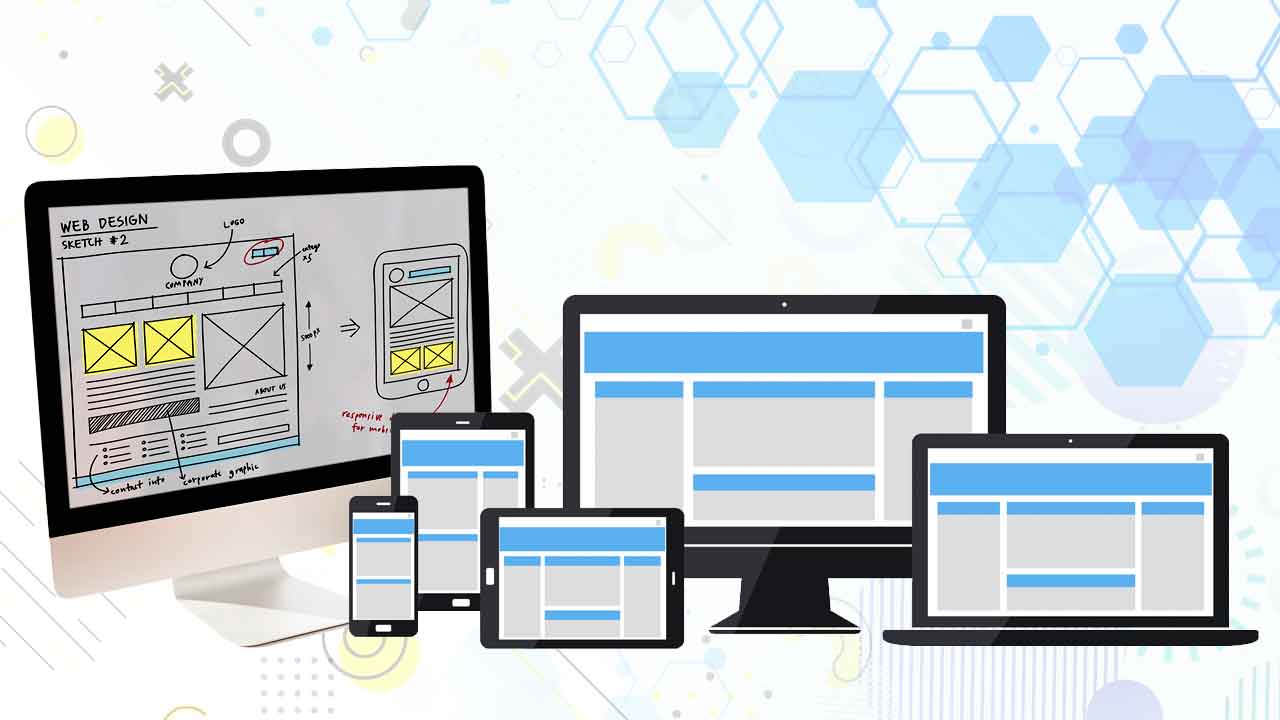
Mobile-friendly design
Secure HTTPS connection
A well-designed website helps visitors trust your business and encourages them to take action.
2. Improve Your Search Engine Visibility (SEO)
Search Engine Optimization (SEO) helps your website appear when customers search on Google.
For example, if someone searches:
Best bakery near me
Home cleaning services
Digital printing company
A well-optimized website has a much better chance of appearing in the search results.
Basic SEO includes:
Using relevant keywords
Creating quality content
Optimizing page titles and descriptions
Improving website speed
Earning quality backlinks
SEO is a long-term investment that continues bringing visitors without paying for every click.
3. Create Helpful Content
People trust businesses that provide useful information.
Consider publishing:
Blog articles How-to guides FAQs Tips and tricks Industry updates Customer success stories
Helpful content answers customer questions and positions your business as an expert.
The more value you provide, the more likely customers are to choose your business.
4. Be Active on Social Media
Your audience spends hours every day on social media platforms.
Regularly sharing content helps you:
Build brand awareness
Connect with customers
Showcase products
Share promotions
Receive customer feedback
Increase website traffic
Consistency is more important than posting every day. A well-planned content calendar can keep your business visible throughout the month.
5. Optimize for Mobile Users
Most people browse websites using smartphones.
If your website is difficult to use on mobile devices, visitors may leave before contacting you.
A mobile-friendly website should have:
Responsive design
Easy-to-read text
Fast loading pages
Simple navigation
Clickable buttons
A better mobile experience often leads to higher conversions.
6. Collect Customer Reviews
Online reviews influence buying decisions.
Encourage satisfied customers to leave honest reviews on platforms relevant to your business.
Positive reviews help:
Build trust
Improve local visibility
Increase credibility
Encourage new customers
Always respond politely to both positive and negative reviews to demonstrate professionalism.
7. Use Local Marketing Strategies
If you serve customers in a specific city or region, focus on local online marketing.
Make sure your business information is consistent across online listings, including:
Business name
Address
Phone number
Working hours
This helps customers find and contact your business more easily.
8. Run Targeted Online Advertising
Online advertising allows small businesses to reach specific audiences based on location, interests, and demographics.
Benefits include:
Immediate visibility
Measurable results
Budget control
Increased leads
Better brand awareness
Even a modest advertising budget can generate meaningful results when campaigns are properly managed.
9. Use Email Marketing
Email remains one of the most cost-effective marketing channels.
You can use email to:
Share special offers
Announce new products
Send newsletters
Educate customers
Encourage repeat purchases
Building relationships with existing customers is often more affordable than constantly acquiring new ones.
10. Track Your Results
Successful businesses make decisions based on data.
Monitor important metrics such as:
Website visitors
Most popular pages
Lead inquiries
Sales conversions
Traffic sources
Customer behavior
Analyzing performance helps you understand what's working and where improvements are needed.
Common Mistakes Small Businesses Should Avoid
Many businesses struggle online because they:
Ignore their website after launching it Post inconsistently on social media Neglect SEO Fail to update business information
Use poor-quality images
Don't respond to customer inquiries promptly
Avoid measuring marketing performance
Avoiding these mistakes can save both time and money.
The Benefits of Growing Online
Having a strong web presence can benefit your company: Reach more customers
Build brand credibility
Generate qualified leads
Increase sales
Stay competitive
Improve customer relationships
Grow sustainably over time
Digital growth isn't about overnight success—it's about consistently building visibility and trust.
Growing a small business online requires planning, consistency, and a customer-first approach. By investing in a professional website, improving your search visibility, creating valuable content, engaging on social media, and tracking your results, you can build a strong digital presence that supports long-term success.
Remember, every successful online business started with a single step. Focus on providing value, understanding your customers' needs, and continuously improving your digital presence. With patience and the right strategy, your small business can compete effectively and achieve sustainable growth in the online marketplace.